Article: Discomfort Designed: How Mass-Market Shoes Attack Your Posture
Discomfort Designed: How Mass-Market Shoes Attack Your Posture
Table of Contents
- Table of Contents
- The Call-Out: The Lie of the "Break-In Period"
- The Deep Dive: Que Shebley vs. Industry Giants
- The Rationale: Why Artisan Over Mass-Market
- Closing: A Dominant Invitation to Own Real Quality
- FAQs
The Call-Out: The Lie of the "Break-In Period"
Every seasoned shopper has heard it. That charming fib about the "break-in period" for your new shoes. Berluti, Allen Edmonds, and Santoni will have you believe it's all part of the luxury experience. This notion that discomfort is merely a rite of passage is nothing more than an excuse. Bad design masquerading as authenticity. It's a myth perpetuated to cover cheap materials and poor craftsmanship.
The Deep Dive: Que Shebley vs. Industry Giants

Let's set things straight. Mass-market giants, your Berluti, are all about the show. It's a classic case of sizzle over steak: impress the senses, neglect the substance. Shoes from these houses boast "Made in Italy.” But these aren't the handcrafted marvels you'd expect. Think high-volume factories with machine-stitches and corrected grain leather — a fancy way of saying cheap leather with plastic paint slapped on.
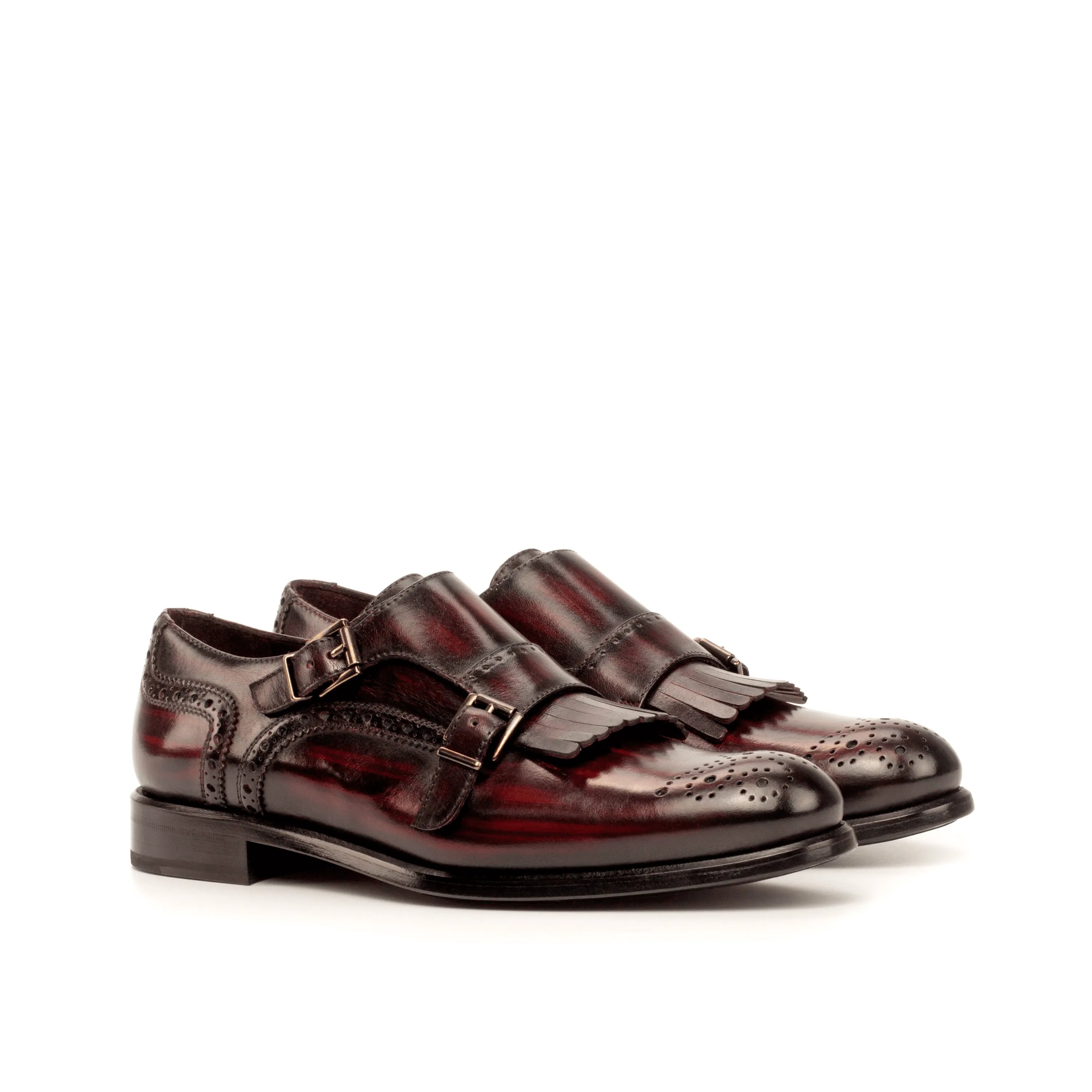
Now, step onto the stage, Que Shebley. Where the Amina Kiltie Women's Monk Strap Patina speaks for itself. Solid material and timeless craftsmanship. Every shoe undergoes meticulous hand-stitching, pouring passion into every thread. Contrast that with the plastic soul of Santoni.
Is the allure of mass-market "luxury" worth sacrificing your posture? Reflect on your stance the next time you're in a queue for the latest hyped product. Feel the twinge in your back as you admire that beautifully painted leather finish. Then switch to Que Shebley for relief, for true comfort doesn't need a break-in period. Meet our M10 Chunky Tempo Trainer Sneaker II, where true comfort and support reign supreme.
The Rationale: Why Artisan Over Mass-Market

Pros of Choosing Artisan:
- Quality Over Quantity: Each artisan shoe is crafted, not churned out like fast food burgers.
- Personalization: Get a fit that's genuinely yours. Not everything is mass-produced to fit the mythical "average" foot.
- Heritage Materials: Treated hides, rich in character, not thick in plastic.
Cons of Turning to Mass-Market:
- Shortcuts: Machine stitching that sacrifices durability for speed.
- Smoke and Mirrors: "Luxury" labels that deceive.
- Corporate Priorities: Boardroom strategies mapped out for profits, not passion.
Discover the craft of our Fernandez Belgian Slipper II.
Closing: A Dominant Invitation to Own Real Quality

It's time to challenge the status quo. Reject the mediocre and reach for a higher standard with Que Shebley. Visit us, champion your feet, and abandon the myths of mass-market mythology. Sink into the personal artistry of bespoke, read about how tailored solutions outshine mass production.
Step away from shortcuts. Embrace artistry with the 5911 Loafers that redefine everyday charm. Discover the elegance of true craftsmanship that respects your body's harmony. Drive your way into a future uncompromised by poor posture.
Visit The House of Que Shebley now for a real taste of luxury. Own not just a pair of shoes, but a piece of heritage.
FAQs
What are mass-market shoes?
Mass-market shoes are widely produced footwear that is typically manufactured in large quantities and sold at lower prices. They are often designed to appeal to a broad audience but may sacrifice quality and ergonomics in the process.
How can mass-market shoes affect my posture?
Mass-market shoes often lack proper arch support and cushioning, which can lead to misalignment of the feet and, subsequently, the spine. Over time, wearing such shoes can cause discomfort and negatively impact posture.
What should I look for in a shoe to support better posture?
Look for shoes with good arch support, cushioning, and a comfortable fit. Features like a wider toe box and a low heel can also promote better alignment and comfort, helping to maintain proper posture.
Are high heels considered mass-market shoes?
While high heels can be found in both mass-market and high-end brands, many mass-market high heels are poorly constructed and lack support. Regular use of high heels can lead to posture issues and discomfort.
Can wearing poor-quality shoes lead to long-term health issues?
Yes, consistently wearing poorly designed shoes can contribute to foot, knee, and back problems over time. This can result in conditions such as plantar fasciitis, joint pain, or chronic back pain.
How often should I replace my shoes for optimal foot health?
It is generally recommended to replace your shoes every 300 to 500 miles or every 6 to 12 months, depending on usage. Worn-out shoes can lose their support and cushioning, increasing the risk of posture-related issues.
What are signs that my shoes are hurting my posture?
Common signs include foot pain, knee pain, lower back discomfort, and unusual fatigue in your legs or feet. If you notice any of these symptoms after wearing specific shoes, it may be time to reevaluate your footwear.
Can I improve my posture with exercises?
Yes, engaging in specific exercises aimed at strengthening your core, hips, and back can help improve posture. Additionally, stretching your muscles can relieve tension caused by inadequate footwear.
Are there brands known for better posture-supporting shoes?
While there are many brands dedicated to creating supportive footwear, it’s important to research and try on different options. Brands that prioritize biomechanics and orthopedic principles typically offer better choices for posture-friendly shoes.

Leave a comment
This site is protected by hCaptcha and the hCaptcha Privacy Policy and Terms of Service apply.