Exposing Overpriced Tailoring: A Deep Dive into Materials
Table of Contents
- Table of Contents
- 1. The Call-Out
- 2. The Deep Dive
- 3. The Rationale: Why Artisan over Mass-Market
- Pros of the Artisan Approach
- Cons of the Mass-Market Approach
- 4. Closing: Own Real Quality
- FAQs
1. The Call-Out
Let's set the record straight. There's a myth spinning in boardrooms: the "break-in period" for cheap lasts. They want you to believe that discomfort is fashionable. Nonsense. That’s a corporate excuse to justify shoddy craftsmanship. You don’t need to suffer for art—especially not when it's just painted on with corrected grain leather and sprayed plastic.
Take those Berluti shoes with their infamous "Made in Italy" label. Sounds appealing, right? In reality, they're often assembled in high-volume factories where each pair passes through machines like a hot potato. The luxury is not in the feel of leather on your foot; it's in the branding. Now swap these myths for real substance: handcrafted authenticity from the House of Que Shebley.
2. The Deep Dive

A/B Comparison: Que Shebley vs. Industry Giants
- Materials
- Industry Giants: The likes of Santoni offer corrected grain leather masked with a thick layer of synthetic polish. This facade cracks over time—along with their inflated promises.
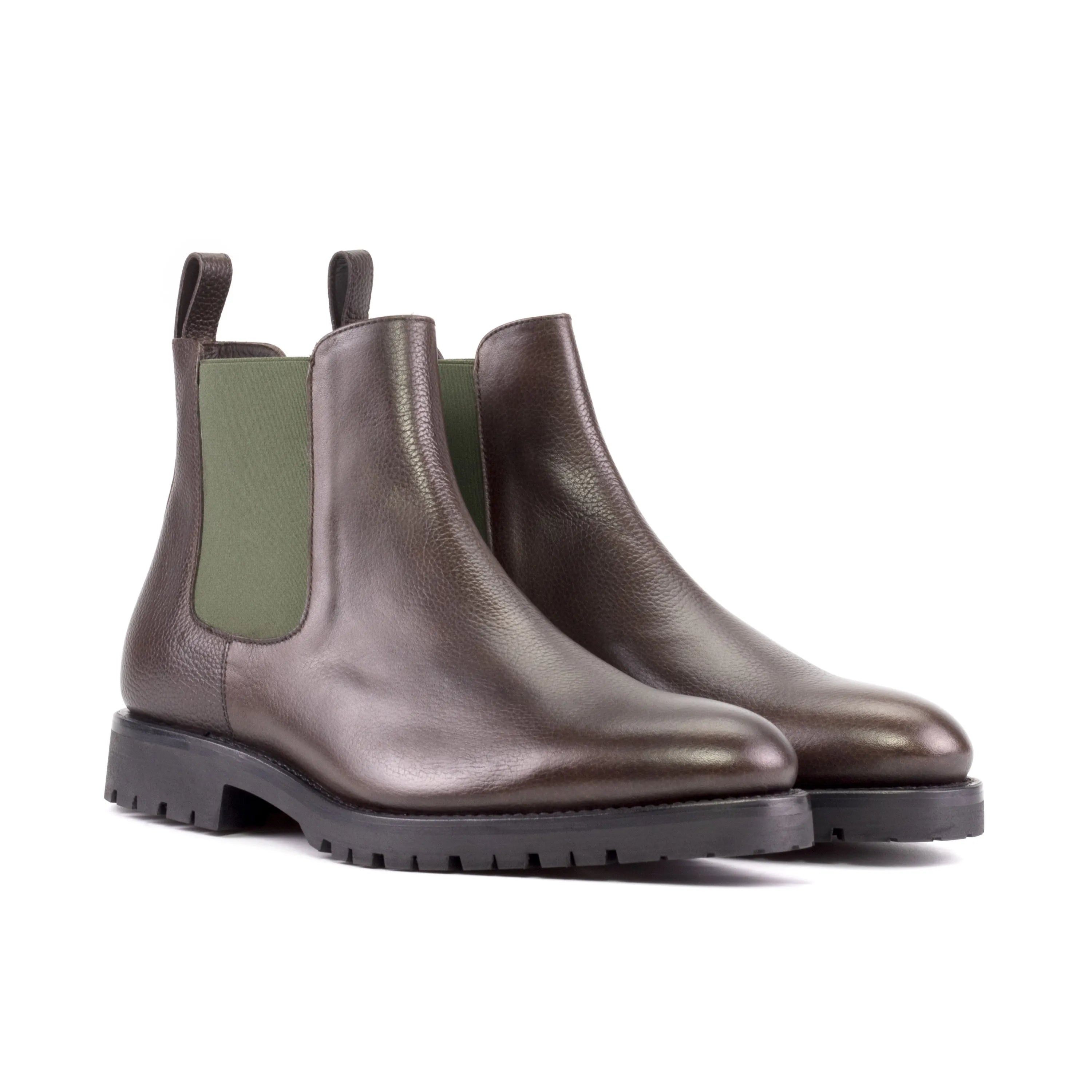
- Que Shebley: We start from the genuine full-grain leather, sculpting it into wearable art. This is leather that breathes, molds, and lasts. Like with the Gallardo Chelsea Boots, it sings in versatility.
- Construction
- Industry Giants: Allen Edmonds will boast about hand-finishing but let machines stitch the majority. They clutch their bottom lines more tightly than any artisan ever could with a needle and thread.
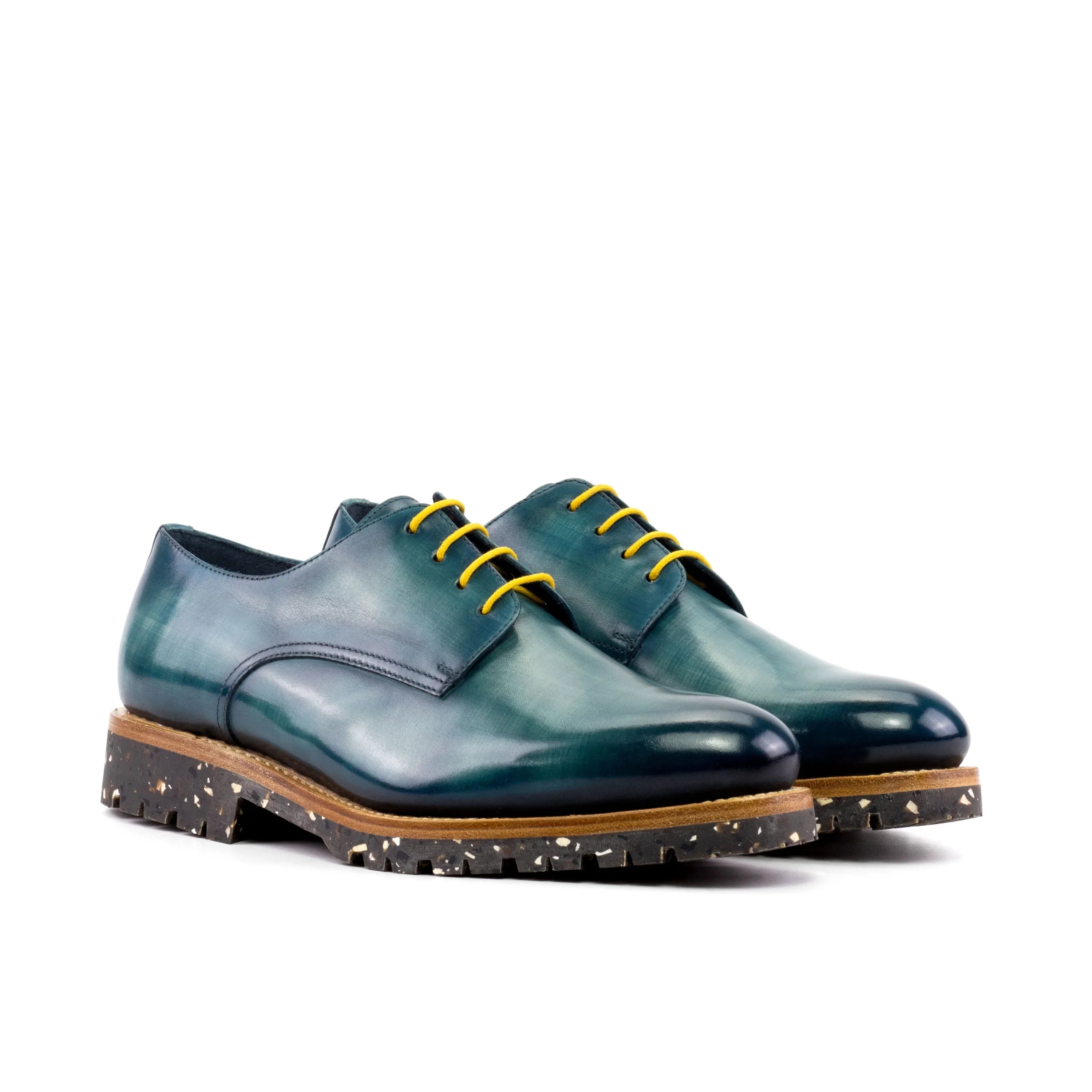
- Que Shebley: Our shoes are stitched entirely by hand. We call it Lebanese tradition meeting modern elegance. Look no further than our meticulously crafted Kiyanoz Patina Double Monk.
- Pricing
- Industry Giants: Marketing fluff inflates costs. You're paying for a name—not material. Department store labels profit off ignorance, sticking their mass-produced goods with ludicrous price tags.
- Que Shebley: Our prices reflect craftsmanship, not marketing campaigns. The Marlos Slip-On Sneaker is a testament to walking with comfort and dignity.
3. The Rationale: Why Artisan over Mass-Market
Pros of the Artisan Approach
- Uncompromised Quality: From bespoke tailoring to footwear, your investment lies in craftsmanship. For those not yet acquainted, explore The Overlooked Differences: Bespoke Tailoring vs Made to Measure Exposé.
- Sustainability: Material longevity isn't just economic sense; it's environmental stewardship. There's no sense in filling landfills with yesterday's trends.
- Comfort: Real leather, handmade comforts, and zero plastics meet your feet. You should be in control, not the other way around. Consider Exposing the Truth: The Pricey Glue Holding Designer Suits Together.
Cons of the Mass-Market Approach
- Breed Mediation: It relies on scraping the bottom of the barrel for materials. They press uniformity instead of personal fit.
- Short Lifespan: Fast-fashion models turn last month's trend into this month's landfill problem. Explore why in Luxury Shoe Decline: Is Stylish Always Sensible?.
- Hidden Costs: You'll pay for replacements, corrections, and the latest trends. How does that stack up to something made to last?
4. Closing: Own Real Quality

You deserve more than inflated stories told through so-called luxe branding. The House of Que Shebley offers substance over showmanship. Wear shoes that embody longevity and heritage. Consider what true artisanry feels like on your feet with the Marisool Ladies Loafers or Empyrean Jodhpur Patina Boots. Step into honesty, authenticity, and true quality.
Remember, it's not about buying into a name. It's about stepping up to timeless craftsmanship and investing in what actually matters: you.
FAQs
What types of materials are commonly used in high-end tailoring?
High-end tailoring often utilizes materials such as wool, cashmere, silk, linen, and high-quality cotton. These fabrics are chosen for their durability, comfort, and aesthetic appeal.
How can I determine if a tailoring price is justified based on materials?
To assess if the price is justified, examine the fabric quality, its source, and whether it's been treated or blended. Authentic materials often carry characteristics like a unique texture, weight, and breathability that distinguish them from lower-quality options.
Are there alternative materials that provide similar quality at a lower cost?
Yes, alternatives such as high-thread-count cotton or synthetic blends can offer good durability and comfort at a lower price point. It’s essential to research and explore various fabric options before making a decision.
What should I look for in custom tailoring when evaluating material quality?
Look for details such as the fabric's feel, weight, and finish. Additionally, check for stitching quality, linings, and any special treatments that enhance the fabric’s longevity and comfort.
How do environmental factors affect fabric quality in tailoring?
Environmental factors such as climate and humidity can influence fabric selection. For instance, lighter materials like linen are ideal for warm climates, while heavier fabrics like wool are suited for cooler environments. Understanding these factors can help ensure a better fit and comfort.
Is it worth investing in higher-priced materials for tailoring?
Investing in higher-priced materials can be worthwhile if you prioritize longevity, comfort, and aesthetic. Quality fabrics can withstand wear and maintain their shape better over time, making them a more economical choice in the long run.
Can I identify high-quality materials by looking at care labels?
Care labels can provide clues about fabric composition and care requirements but may not always directly indicate quality. High-quality materials usually have fiber content listed, and natural fibers are often preferable as they tend to offer better performance and comfort.
How can I negotiate tailoring costs without compromising quality?
To negotiate tailoring costs, research average prices in your area and discuss your budget with the tailor. Express your desire for quality while exploring different fabric options that align with your needs.
What are some common misconceptions about tailoring costs?
Many people believe that high prices guarantee quality, but this isn't always true. Tailors may markup costs based on brand reputation rather than fabric quality. It’s essential to evaluate the craftsmanship and materials used in addition to the price.

Leave a comment
This site is protected by hCaptcha and the hCaptcha Privacy Policy and Terms of Service apply.