Fashion's Bone-Crushing Grip: Myths of Mass-Market Collapses
Table of Contents
- Table of Contents
- The Call-Out
- The Deep Dive: Brutal A/B Comparison
- The Rationale: Why Artisan over Mass-Market
- Pros of Artisan Craftsmanship:
- Cons of Mass-Market Products:
- Closing: A Dominant Invitation to Own Real Quality
- FAQs
The Call-Out
Let's talk about the proverbial "break-in period" that you're told is a hallmark of quality shoes. The reality? This myth is nothing but an excuse for cheap lasts that conform only when they give you blisters first. Companies like Berluti have spun tales of such necessity, but who are we kidding? It's not quality; it's cutting corners.
Far too often, the mass-market hides its mediocrity behind layers of glitzy jargon. "Corrected grain leather"? That’s just plastic paint on scraps. "Machine perfection"? Factory line shortcuts at the expense of real craftsmanship. And let's not forget those "Made in Italy" labels standing proudly on products born of high-volume sweatshops, not artisans' ateliers.
It's time to cut through the noise and comprehend who's holding the fashion industry in a bone-crushing grip and why the few still stand.
The Deep Dive: Brutal A/B Comparison

Welcome to the harsh reality called the House of Que Shebley vs. the Industry Giants. The independent brands craft their fabrics with pride—each stitch a testament to the artisan's skill. In contrast, you get assembly line shoes when you opt for mass-produced names like Allen Edmonds.
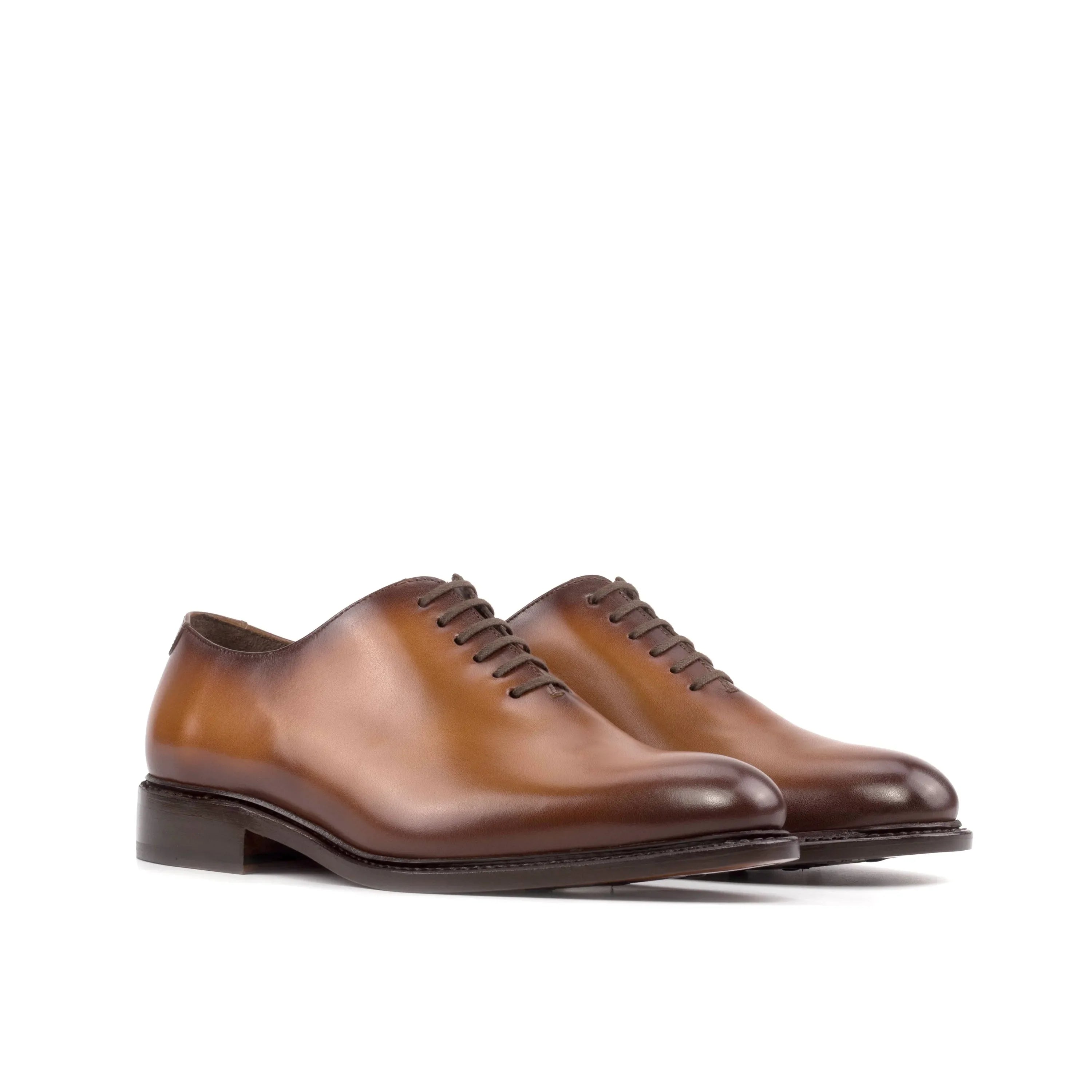
Let's pull from reality: Stellar Wholecut shoes from Que Shebley stand confidently against their mass-market counterparts. One look and you'll understand why we loathe automated stitching. Take a step in our shoes and feel the difference; it's all about investment in art, not just cost-cutting.
Your typical department store won't tell you how cuts are made, how patterns are disregarded to save pennies. Not us. Our Aztika Patina Wholecut II is an education in manual grace—truly handcrafted, no shortcuts.
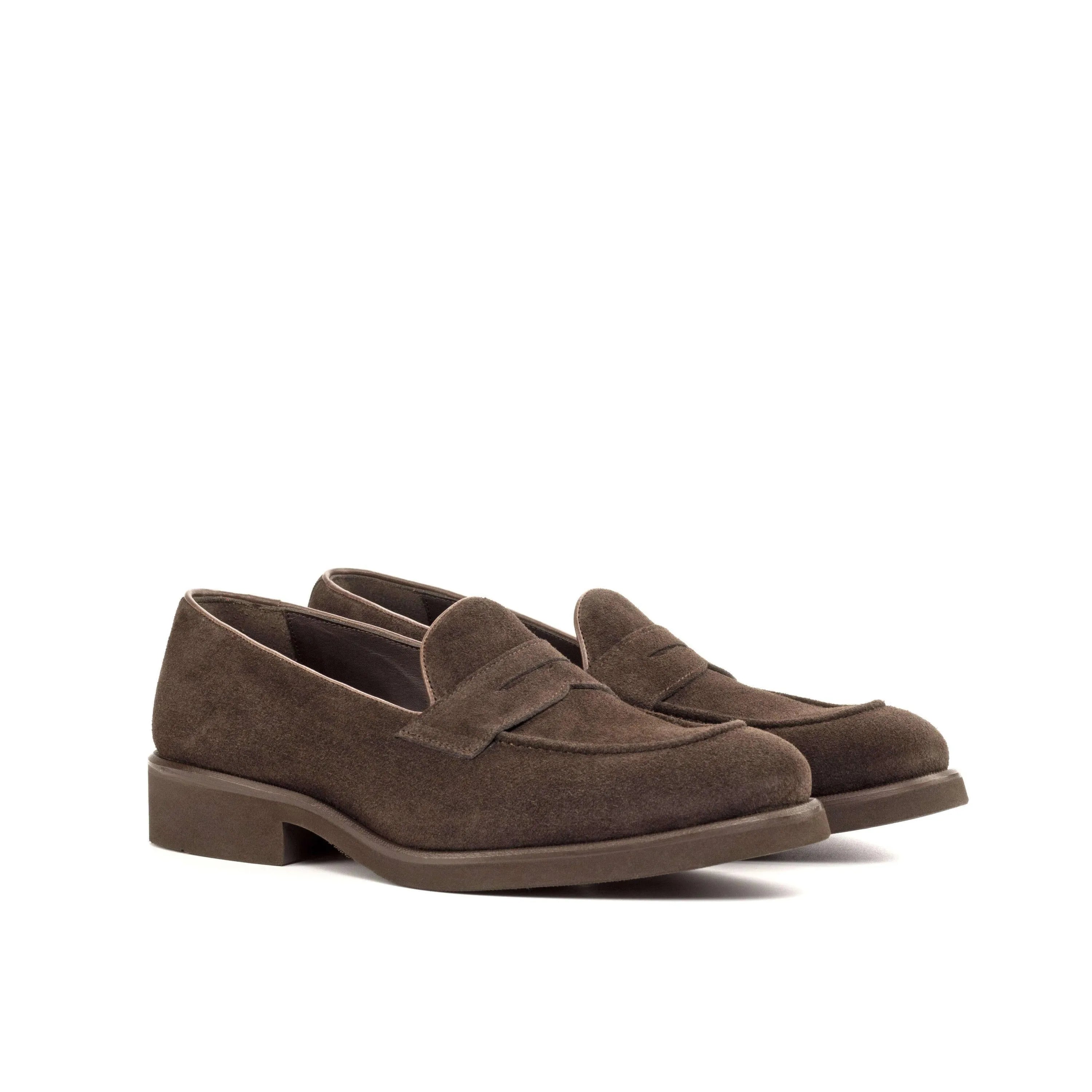
Compare, if you dare, the artistry of our Azuna Double Monk II with the mediocrity on most shelves. These masterpieces don’t need "breaking in." They welcome your feet with open arms, molded to comfort from the very first step.
The Rationale: Why Artisan over Mass-Market
Pros of Artisan Craftsmanship:
- Accuracy: Bespoke tailoring provides unparalleled precision. Our articles discuss this in-depth, such as The Great Debate: Bespoke Tailoring vs Made to Measure.
- Material Quality: Genuine leather and fabric with no hidden harmful substances.
- Longevity: Quality pieces that stand the test of time.
Cons of Mass-Market Products:
- Manufacturing Tricks: Corrected grain leathers and machine stitching—ugly truths hidden under glossy marketing.
- Subpar Longevity: Mass-market products barely last beyond a couple of seasons.
- Uncomfortable fit: Read more in our article Posture Prisons: How Mass-Market Zoos Crush Feet Free.
Closing: A Dominant Invitation to Own Real Quality

At the House of Que Shebley, we've committed to staying true to our heritage. We refuse to bend our craft to suit disingenuous boardroom metrics. Unapologetically rooted in Lebanese artistry, we offer you products that glorify tradition rather than dismantle it. Immerse yourself in quality and foreswear mediocrity.
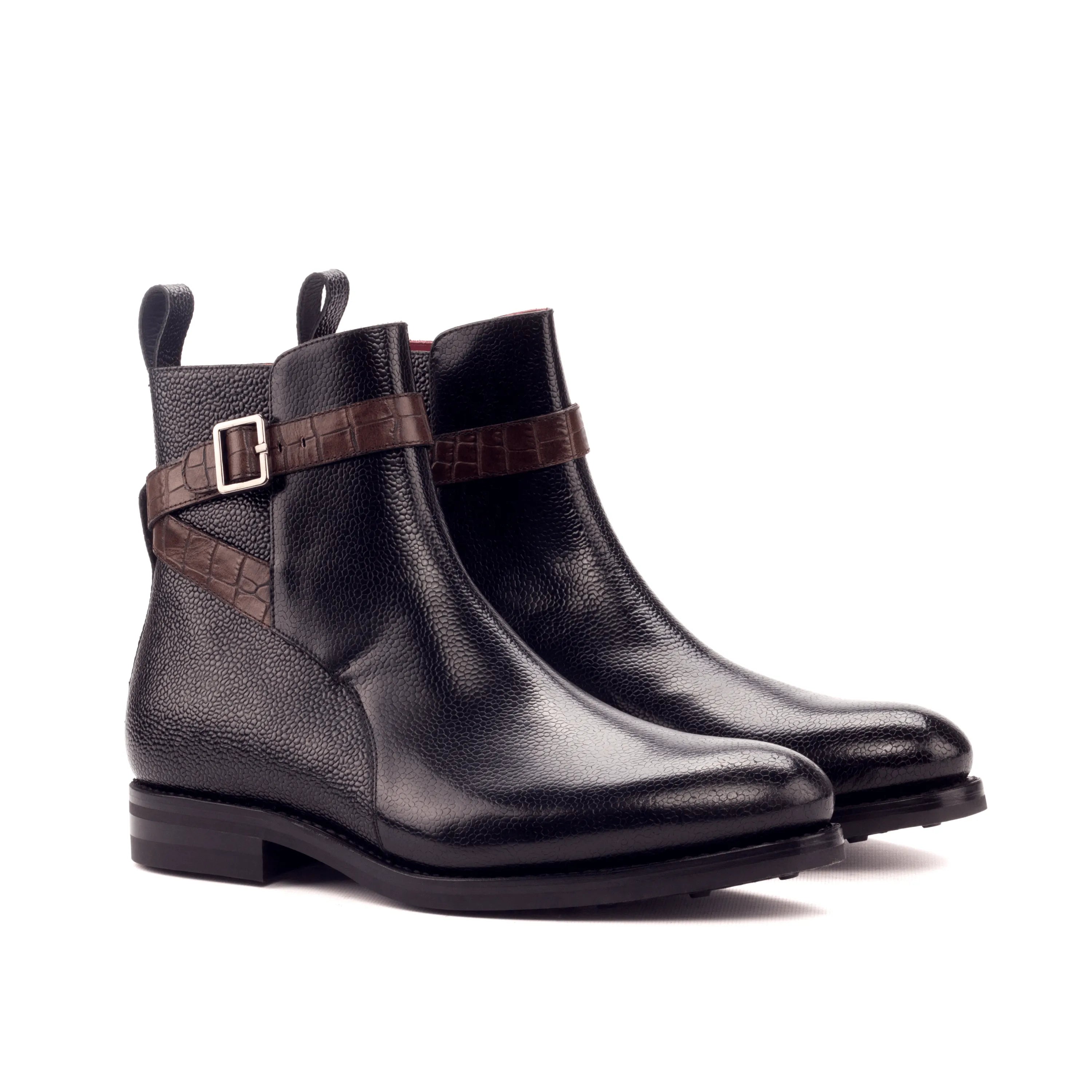
To all who desire a real connection with what they wear—pieces like the Horizon Patina Jodhpur Boots are more than footwear; they are an invitation to a class of style that doesn't just play house to corporate logos.
Mass-market may be the loudest voices in the room but those of you in the know, understand substance over decibels. Discover our collections today at The House of Que Shebley.
Step into a realm where quality reigns, and discover the tactile pleasure of genuine craftsmanship. Demand nothing less.
FAQs
What does "mass-market collapse" refer to in the fashion industry?
Mass-market collapse refers to the trend where mass-produced fashion brands experience significant declines in sales or relevance, often due to changing consumer preferences or increased competition from niche and sustainable brands.
Are fast fashion brands the main culprits behind mass-market collapses?
While fast fashion brands contribute to the challenges faced by traditional retailers, the issue is more complex. Factors such as environmental concerns, consumer awareness, and economic fluctuations all play a role in the struggles of mass-market brands.
Can sustainability influence the collapse of mass-market fashion?
Yes, as consumers become more environmentally conscious, many are shifting away from mass-market brands that prioritize short-lived trends and exploitative production methods. This shift can lead to declines in these brands' sales as they fail to adapt to sustainable practices.
Are there any examples of successful brands transitioning from mass-market to niche?
Absolutely! Several brands have successfully reshaped their identity by focusing on quality and sustainability, allowing them to thrive in the current market. This often involves redefining their target audience and aligning their values with those of conscious consumers.
How do consumer preferences play a role in fashion’s mass-market dynamics?
Consumer preferences are continually evolving, with many now favoring unique, high-quality, and ethically produced items over mass-produced fashion. This shift can create significant challenges for brands that cannot keep pace with these changing tastes.
Why do some consumers still prefer mass-market brands despite the controversies?
For many consumers, mass-market brands offer affordability and convenience. The sheer accessibility and familiarity of these brands can be tough to resist, even in the face of awareness regarding ethical and sustainability issues.
How can brands avoid a potential collapse in today’s fashion landscape?
Brands can avoid collapse by embracing transparency, sustainability, and ethical practices in their production processes. Additionally, focusing on building a loyal community and engaging with consumers can create long-term brand resilience.
Is there hope for traditional retailers facing decline?
Yes, there is hope for traditional retailers if they can adapt to the market. Innovative approaches, such as enhancing customer experience, prioritizing sustainability, and embracing e-commerce, can help them reposition themselves effectively.
What role does social media play in shaping consumer behavior towards mass-market brands?
Social media significantly influences consumer behavior by providing platforms for awareness, education, and community building. Consumers increasingly share their preferences for brands that align with their values, putting pressure on mass-market brands to adapt or risk losing relevancy.

Leave a comment
This site is protected by hCaptcha and the hCaptcha Privacy Policy and Terms of Service apply.